

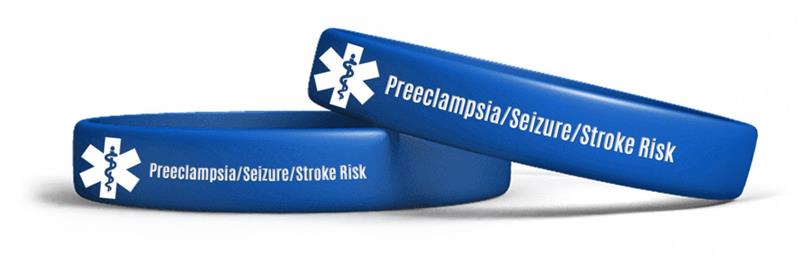
Blue Bands Save Lives


Community is proud to partner with Fresno County in an awareness campaign supporting pregnant and/or recently delivered patients who have a diagnosis or risk for a hypertensive disorder, such as preeclampsia.

How it Works

If you show symptoms indicating preeclampsia — which is persistent high blood pressure that develops during pregnancy or the postpartum period — you'll be given a blue band stating your risks.


Wear the blue band on your wrist at all times throughout your pregnancy and up to 12 weeks after delivery. Medical teams will see your blue band and know the risks associated with your condition.


1467x473_Blue-Bands

Frequently Asked Questions

Why do I have a Blue Band?


  • You have been diagnosed with a high blood pressure disorder.
  • You have risk factors of a high blood pressure disorder, such as preeclampsia.
  • Your hypertensive disorder puts you at risk for seizure, stroke, organ damage or death.

Where do I get a Blue Band?


You can receive a Blue Band at Community Regional or Clovis Community hospitals. You will also receive a wallet card and additional information about preeclampsia with your band.

How long do I have to wear my Blue Band?


Wear your Blue Band at all times until 12 weeks after delivery, or as indicated by your healthcare provider.


How can I be proactive about protecting mine and my baby's health?


  • Tell your loved ones about why you have the Blue Band.
  • Keep all appointments with your healthcare provider.
  • Take prescribed medications as indicated by your healthcare provider.

Can I get preeclampsia after my baby is born?


Yes, which is why it's recommended to wear the band even after delivery. Look for these symptoms and alert your healthcare provider:


  • Stomach pain
  • Nausea
  • Severe headache
  • Swelling in hands or face
  • Shortness of breath

What are the possible long-term risks of preeclampsia?


Preeclampsia can lead to serious, long-term health problems, including:


  • Heart attack
  • Heart disease
  • Stroke
  • Increased chance of preeclampsia in future pregnancies

Additional Resources & Education

Call your doctor if you experience any of the following symptoms:


  • High blood pressure: Blood pressure systolic (top number) ≥140 and/or diastolic (bottom number) ≥90
  • Swelling in the face, hands or legs
  • Severe or constant headache
  • Vision changes or seeing spots
  • Pain in the upper right area of your belly
  • Nausea or vomiting
  • Sudden or rapid weight gain
  • Persistent heartburn
  • Not able to urinate or urinating less
  • Decreased fetal movement, if pregnant


If you notice any of the following symptoms, please seek immediate medical attention. It's important to inform medical professionals that you are pregnant or have recently been pregnant.


  • Severe hypertension: Blood pressure systolic (top number) ≥160 and/or diastolic (bottom number) ≥110
  • Seizure
  • Shortness of breath
  • Chest pain
  • Confusion

Learn blood pressure ABCs:  Blood Pressure: What You Need to Know

Find validated blood pressure devices: Validated Device Listing

Keep a blood pressure log: Cuff Kit Blood Pressure Log


  • Chronic hypertension is high blood pressure (BP) that starts before pregnancy or develops within the first 20 weeks and does not go away after delivery.
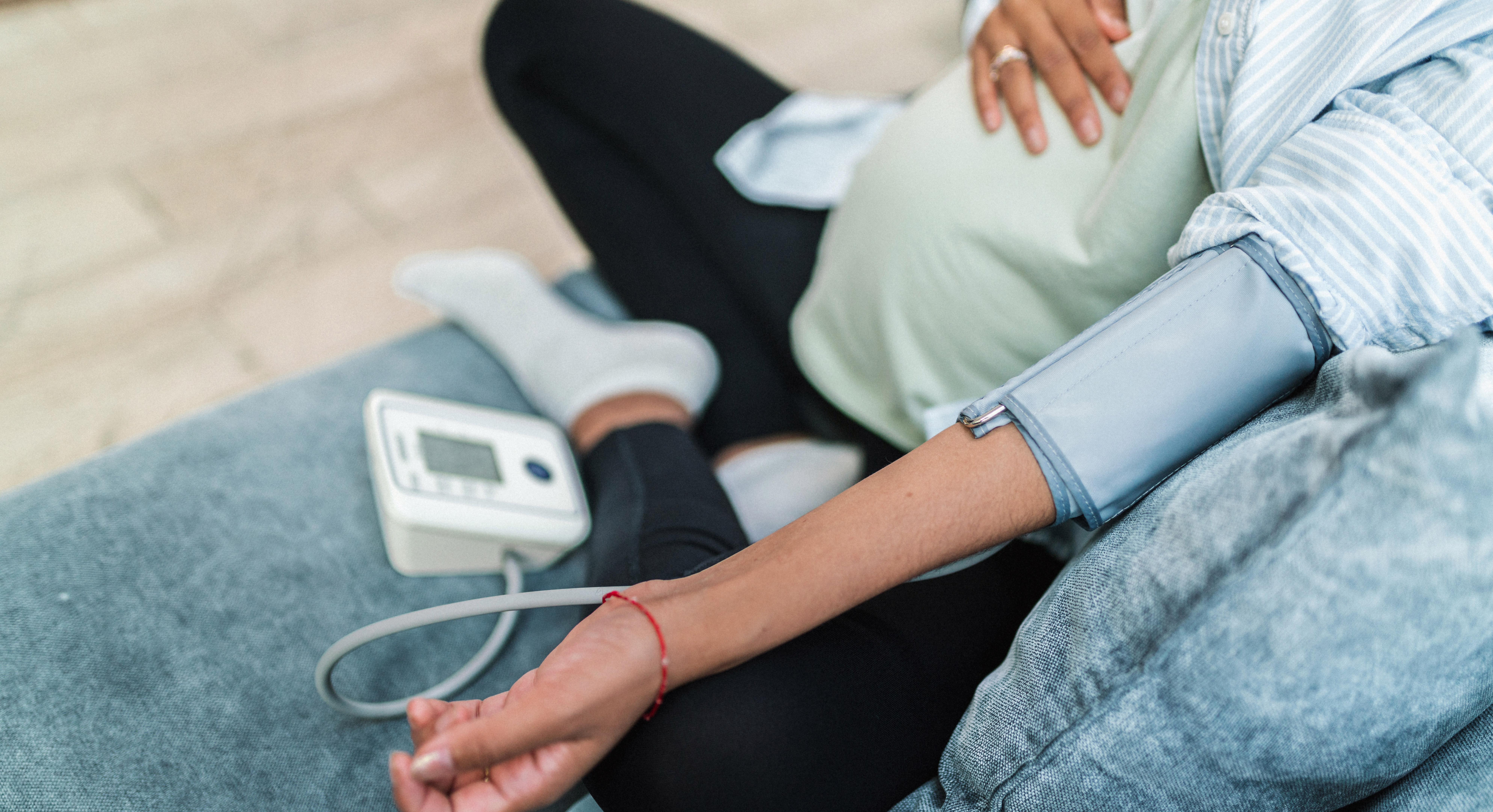
    Pregnant person with blood pressure cuff on and monitor next to her on couch
  • Gestational hypertension means you develop new high BP after week 20 of your pregnancy. Gestational hypertension usually goes away after delivery, but it increases your risk for future chronic hypertension or heart disease.
  • Chronic hypertension with superimposed preeclampsia is preeclampsia in someone with a history of hypertension before pregnancy. 
  • Preeclampsia is high BP that usually develops after week 20 of pregnancy. It can also develop within 4-6  weeks of delivery. You may also have protein in your urine or damage to organs such as your kidneys or liver. Preeclampsia can lead to life-threatening conditions such as a stroke or eclampsia.
  • Eclampsia is a serious complication of preeclampsia characterized by one or more seizures during pregnancy or in the postpartum period. Left untreated, eclamptic seizures can result in coma, brain damage, and possibly maternal or infant death.
  • HELLP syndrome is a life-threatening complication that usually develops in pregnant people with high BP. HELLP syndrome may develop between week 20 of pregnancy and a few days after delivery. It causes destruction of red blood cells, liver problems, and blood clotting problems. Your risk for HELLP syndrome increases if you have a history of preeclampsia.


  • A personal or family history of hypertension, preeclampsia or HELLP syndrome
  • Being pregnant in your teens or after age 35
  • First pregnancy
  • Pregnant with more than one baby
  • Chronic hypertension 
  • Diabetes mellitus
  • Kidney disease
  • Autoimmune conditions, such as lupus
  • Thrombophilic conditions (inherited clotting disorders)
  • In vitro fertilization (IVF) / Artificial reproductive technology (ART)
  • Body mass index (BMI) over 30
  • Black, South Asian, Pacific Islander or American Indian descent
  • Low income


Find more information about preeclampsia from the American College of Obstetricians and Gynecologists.

We use cookies and other tools to optimize and enhance your experience on our website. View our Privacy Policy.