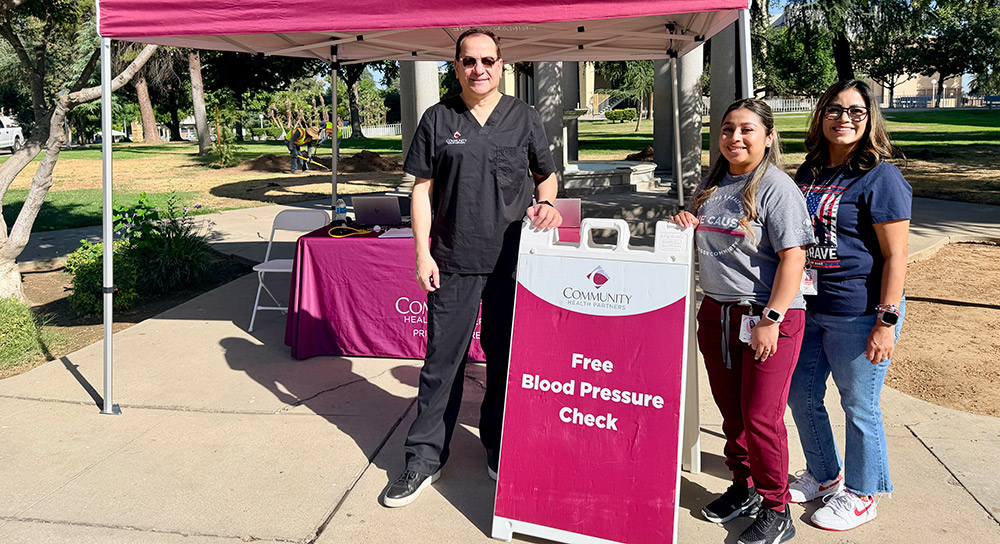



In January 2025, Community Health System launched a one-year pilot program aimed at reducing diabetes cases in the Central Valley. The program was rolled out to 355 Community employees with the eventual goal of introducing it to other patients managing diabetes diagnoses.
A year later, the program has positive patient outcomes and is serving as a model for future preventive care programs.
How the diabetes pilot program worked
Voluntary enrolled patients were assigned a nurse navigator who worked closely with the patient. If a patient went to the emergency department for diabetes-related issues, the nurse navigator assessed the patients’ current needs, reinforced discharge instructions, and facilitated the scheduling of any necessary follow-up appointments with their primary care physicians.
A tailored plan was put into place to help each patient stay on top of their diagnosis — and out of the emergency department.
The program had three focus points:
1. Diabetes control. In this case, the goal was to lower patients’ A1C levels, which indicates the amount of sugar in the blood.
2. Engagement. A key part of the program was keeping patients engaged in their healthcare plan, including taking prescribed medications, making and keeping appointments with their primary care physicians, and doing labs and screenings.
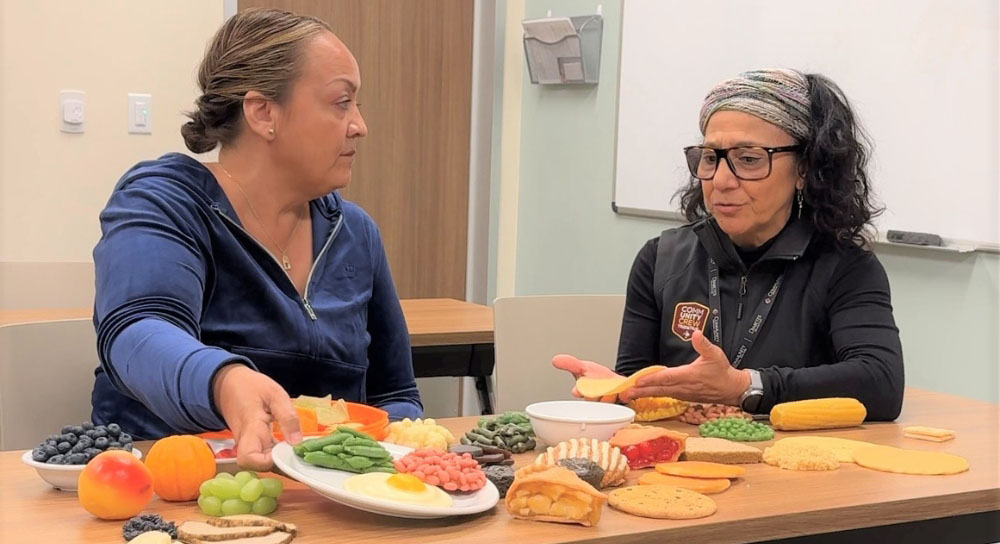
3. Prevention. Education and self-management support was provided, particularly around blood glucose control, diet and lifestyle.
One-year results of the diabetes pilot program
After one year, the results spoke for themselves: a measurable improvement in the patients’ health and our hospitals saw a significant cost avoidance. Outcomes included:
- 70% reduction in emergency room visits
- 32% reduction in the patients’ A1C blood sugar levels
- 15% increase in primary care visits
- Improved physician coordination and education
- 13.7% cost avoidance for Community Health System
“The success of the diabetes program demonstrates that proactive, team-based care can meaningfully improve outcomes while lowering the long-term burden of chronic disease,” said Darren Duncan, VP, Value-Based Care Operations, Community Health System.
To further our goal of creating a healthier Central Valley, Community will expand the pilot program to spouses of Community team members, and apply the model for those with congestive heart failure and chronic obstructive pulmonary disease (COPD).